For decades, Kenyan teachers have grappled with a bizarre geographical lottery: an educator in one village might receive a hardship allowance, while their colleague in the neighboring sub-county—facing the exact same heat, insecurity, and lack of water—receives nothing. As of February 26, 2026, the Teachers Service Commission (TSC) has officially presented a policy roadmap to the National Assembly to end these “artificial borders” and harmonize hardship payments across the country.
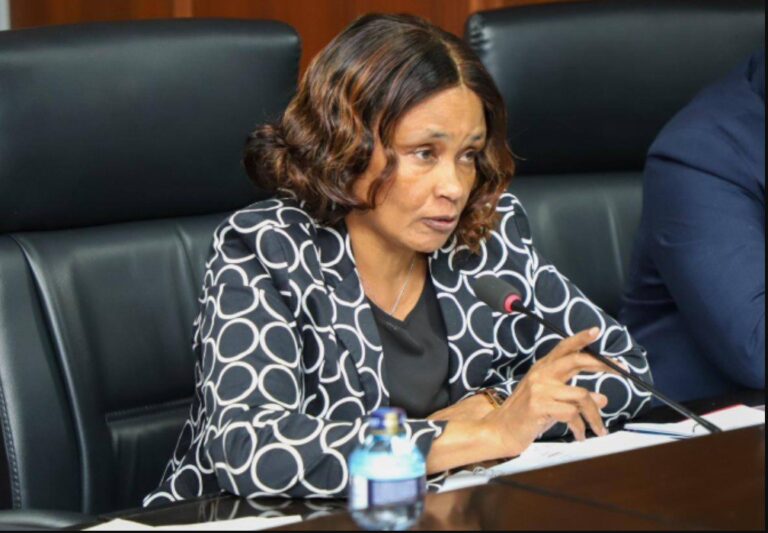
The catalyst for this reform was a persistent petition from teachers in regions like Taita-Taveta, Kwale, and Magarini, who argued that the current 1997 classification is archaic. In a session with the Education Committee, Acting TSC CEO Evaleen Mitei acknowledged that areas previously considered “developed” are now facing severe climate-driven hardships and insecurity.
The new 2026 framework seeks to expand hardship zones to include specific “pocket areas” in the Coastal region and the Rift Valley that were previously ignored, ensuring that teachers in these zones finally access allowances ranging from Sh6,600 to Sh38,100 depending on their job grade.
While harmonization is the goal for the Coast, the North Eastern region (Mandera, Wajir, and Garissa) is pushing for a specialized Risk Allowance. Due to the unique security challenges in these border counties, the TSC is considering a “top-up” model. This would go beyond the standard hardship pay to include a security-based incentive intended to stem the mass exodus of non-local teachers.
The Commission is currently in talks with the Salaries and Remuneration Commission (SRC) to determine if this can be factored into the final phase of the 2025–2029 CBA.
The reform comes amid a heated debate over a government proposal to “de-gazette” certain areas that have seen significant infrastructure development.In 2025, a report suggested that harmonizing these areas could save the state Sh6 billion annually. However, teacher unions KNUT and KUPPET have vowed to block any move that would result in a pay cut for their members.
The TSC has clarified that its 2026/27 budget request of Sh422.9 billion includes provisions to expand the net of beneficiaries rather than shrink it, focusing on “equity rather than austerity.”
To prevent the “TikTok teacher” bribery scandals—where officers were accused of placing teachers in “ghost” hardship zones for a kickback—the 2026 system will use GIS (Geographic Information System) mapping. This digital tool will verify the actual distance from social amenities, availability of potable water, and mobile network strength before a school is designated a hardship zone. This move toward transparency ensures that the Sh25 billion annual hardship kitty reaches the educators who truly sacrifice their comfort to keep Kenya’s most remote classrooms open.
TAGS
TSC hardship allowance update 2026, teachers hardship areas list 2026, TSC North Eastern risk allowance, Taita Taveta hardship allowance petition, Evaleen Mitei TSC reforms, SRC hardship allowance review.