Too Many Humanities Teachers, Too Few Technical Experts: Kenya’s Education Mismatch
Kenya faces a growing imbalance between humanities and technical teachers. Here’s how the mismatch happened and why TSC is changing course.
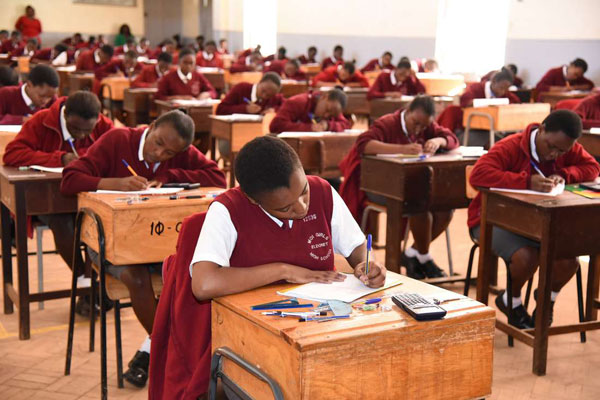
Kenya’s teacher unemployment crisis is not a result of a lack of training — it is the outcome of years of misaligned education planning. While universities continue to produce thousands of humanities graduates annually, the education system is grappling with an acute shortage of technical and STEM teachers.
The Teachers Service Commission (TSC) has openly acknowledged this imbalance. According to its Quality Assurance Director, Dr Reuben Nthamburi, recruitment exercises reveal a striking contrast: a single humanities teaching vacancy can attract up to 5,000 applicants, while technical positions remain vacant or attract very few qualified candidates.
This disparity highlights a deeper systemic problem — teacher training supply has long ignored market demand.
For decades, humanities subjects such as History, Religious Education, Geography, and Languages dominated teacher training colleges and universities. These courses were cheaper to run, required minimal equipment, and attracted high enrollment. Technical education, on the other hand, demanded laboratories, workshops, and specialized lecturers — costs many institutions avoided.
The introduction of Competency-Based Education (CBE) has now exposed the consequences of this imbalance. Senior School places strong emphasis on applied learning, innovation, and technical competence — areas where humanities-heavy training falls short.
TSC data shows that the STEM pathway alone requires more than 35,000 teachers, yet Kenya simply does not have enough qualified personnel. Meanwhile, thousands of humanities-trained teachers remain unemployed years after graduation.
This imbalance has social consequences. Many unemployed teachers are now in their 40s and 50s, having waited years for opportunities that never materialized. The issue was recently raised at State House, where concerns emerged about registered but jobless teachers aged over 45.
Universities are now under pressure to rethink their training models. TSC has urged institutions to reduce intake in oversaturated subjects and expand technical programs such as Bachelor of Education Technology.
The lesson is clear: training teachers without considering future demand creates long-term unemployment and undermines education reform. As Kenya retools its education system, aligning training with labour needs is no longer optional — it is essential.