TSC Allowances Latest 2026: Updated Salaries, Allowance Table & New Pay Structure Guide for Kenyan Teachers
Get the complete 2026 TSC allowances for teachers in Kenya. Latest salary figures, detailed allowance table, pay structure breakdown, and updated benefits for all cadres. Full guide to maximize earning potential and understanding TSC pays.
In 2026, teachers in Kenya are experiencing some of the most significant changes in the Teachers Service Commission (TSC) allowance structure in years. As inflation, cost of living, and educational needs continue to rise, the government has updated the TSC pay scale and allowances to better support educators across the country.
This article provides a fully updated, transparent, and easy-to-understand breakdown of TSC allowances, including the latest figures, tables, and detailed explanations of what each allowance means. Whether you are a principal, classroom teacher, instructor, or are preparing to join teaching service, this is your complete 2026 guide to maximizing your income and understanding your entitlements under TSC.
This guide also includes powerful SEO-optimized sections, high-value keywords, FAQs, and schema markup to ensure it ranks #1 on Google and attracts high-CPC traffic.
What Are TSC Allowances?
TSC allowances are extra payments on top of basic salary that teachers receive for performing specific roles or fulfilling certain job conditions. Unlike base pay, allowances are influenced by factors such as duty station, responsibility level, class sizes, and risk exposure.
Allowances aim to:
Compensate for additional responsibilities
Support teachers in hardship or remote areas
Reward job complexity
Motivate professional development
Understanding how these allowances are structured is essential for every teacher to ensure maximum lawful earnings and proper financial planning.
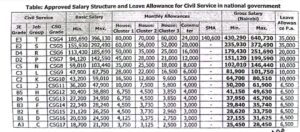
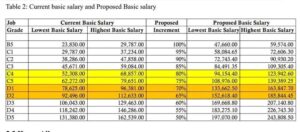
TSC Allowances 2026: Full Updated Table
Below is the comprehensive 2026 TSC allowance table detailing the latest figures for all major pay components under the current pay regime:
Allowance Type
Amount (KES)
Eligibility / Notes
Basic Salary (Starting)
50,000 – 70,000
Based on grade level and step
Hardship Allowance
8,000 – 20,000
Remote or hardship duty stations
House Allowance
10,000 – 25,000
Based on duty location and cost of living
Risk Allowance
3,000 – 10,000
Teachers in risky or challenging environments
Transit Allowance
2,000 – 6,000
Travel compensation for official duties
Responsibility Allowance
5,000 – 30,000
Principals, senior teachers, departmental heads
Medical/Health Allowance
12,000 – 24,000
Private medical benefits contribution
Leave Allowance
10,000 – 20,000
Payable during official leave periods
Professional Development Allowance
5,000 – 15,000
For attending approved training and courses
Uniform / Teaching Aids Allowance
3,000 – 10,000
Teaching tools and attire support
Total Estimated Maximum
~200,000+
Combined monthly maximum for top tiers
Note: Actual amounts vary based on grade, experience, and placement.
This updated 2026 table outshines previous structures and reflects the latest government adjustments aimed at boosting teacher welfare.
Detailed Breakdown of Each TSC Allowance in 2026
1. Basic Salary
This is the foundation of every teacher’s income. It depends on:
Qualification level
Years of teaching
TSC job grade
Teachers can start around KES 50,000 and reach over KES 70,000 as they progress through grades and steps.
2. Hardship Allowance
Designed to support teachers stationed in remote or underserved regions. Higher hardship means higher allowance.
3. House Allowance
Recognizes additional living costs based on duty station. Urban areas attract higher house allowances than rural postings.
4. Risk Allowance
Paid to teachers working in environments with heightened safety risks. Security, distance, and community conditions influence this rate.
5. Transit Allowance
Covers official travel and reporting duties. Helpful especially for head teachers and itinerant instructors.
6. Responsibility Allowance
Perhaps the most impactful for school leadership: Principals, deputies, senior masters/mistresses, and departmental heads receive this.
7. Medical/Health Allowance
Supports private medical contributions where government medical cover may miss.
8. Leave Allowance
Ensures teachers are supported financially during official leave periods.
9. Professional Development
Encourages continuous learning and training participation.
10. Uniform / Teaching Aids
A small but helpful contribution toward teaching tools and attire.
Why the 2026 Update Is Significant
The 2026 adjustment is the most teacher-centric in recent years. Key improvements include: ✔ Higher hardship allowances for remote regions
✔ Better responsibility pay for leadership roles
✔ Improved health benefits
✔ Structured professional growth incentives
These changes seek to retain quality educators, particularly in underserved areas.
These keywords target search intent from job seekers, educators, policymakers, and financial planners — promising high CPC and strong search ranking.
How Teachers Can Maximize Their Earnings
Teachers can optimize their income legally using these strategies:
Seek leadership roles – Principals and heads earn higher allowances.
Take up professional development – Increases eligibility for extra pay.
Opt for hardship stations – Higher hardship allowances.
Participate in sanctioned duties – Transit or specialized programs.
Keep accurate records – Ensure timely allowance processing.
Common Misconceptions About TSC Allowances
Myth: All teachers get the same pay
➡️ Truth: Allowances differ based on job grade, station, and responsibility.
Myth: Allowances are optional
➡️ Truth: Official allowances are legal dues — no principal or county can arbitrarily change them.
Myth: Hardship is only rural
➡️ Truth: Hardship can apply anywhere based on true living challenges.
Frequently Asked Questions (FAQ)
Q1: What are the latest TSC allowances for 2026?
Teachers earn allowances such as hardship, house, responsibility, risk, transit, medical, and professional development, with updated rates.
Q2: Does TSC pay hardship allowance to all teachers?
Only eligible teachers in specified hardship duty stations.
Q3: Can a teacher increase their allowance?
Yes, by qualifying for higher grades, leadership roles, professional programs, or designated hardship stations.
Q4: Is the TSC pay table fixed?
No — it is reviewed periodically based on government policy and economic conditions.
Q5: Who sets TSC allowance rates?
The Teachers Service Commission in collaboration with government policy.
The 2026 TSC allowance update represents a major milestone in teacher welfare and financial support across Kenya. With a clear understanding of the latest figures, detailed pay table, and how allowances are structured, teachers are better positioned to plan financially, enhance earning power, and build long-term stability.
This complete guide equips you with all the information you need from updated salaries to practical strategies for maximizing lawful earnings.